


Biodiversity
Species with recorded uses that science has not yet validated.
 Overseen by the Terraflos Scientific Advisory Board
We apply AI, scientific curation and biotechnology to biodiversity, starting with Latin America. Humanity feeds and heals itself with only about 500 species; thousands more with documented traditional use remain outside that circuit. We organize them to decide which ones are worth researching.
Species with recorded uses that science has not yet validated.
Scientific studies and traditional knowledge, in a proprietary database.
Molecules and extracts with potential for wellbeing and healthy aging.
Validation of efficacy and safety before any promise.
Proprietary ingredients and patents, backed by science.
Species with recorded uses that science has not yet validated.
Scientific studies and traditional knowledge, in a proprietary database.
Molecules and extracts with potential for wellbeing and healthy aging.
Validation of efficacy and safety before any promise.
Proprietary ingredients and patents, backed by science.
We are living longer, but not necessarily more healthy years. That is why Humboldt evaluates each species against a specific problem of aging.
What allows the body to use sugars and fats according to its needs?
What reduces chronic inflammation without shutting down immunity?
What helps cells produce energy and withstand stress?
What strengthens the gut barrier and what the microbiota produces?
What preserves the structure of the skin and its ability to repair itself?
At each stage, a question defines what moves forward. The AI does not deliver a bare score: it explains its reasoning so a specialist can review it.
~35,000
Is it correctly identified, and are there reliable sources?
300-500
Is there evidence of an effect on the body? Is it safe?
100
Which compound would act, and on which process?
30
What does the score indicate, and what do the specialists say?
10
What are the risks, and how is it tested in the lab?
3-5
Should it be developed, patented or partnered?
The Terraflos Scientific Advisory Board brings together seven specialists in chemistry, medicine, molecular biology and data. Today it oversees Humboldt, from species curation to production routes.
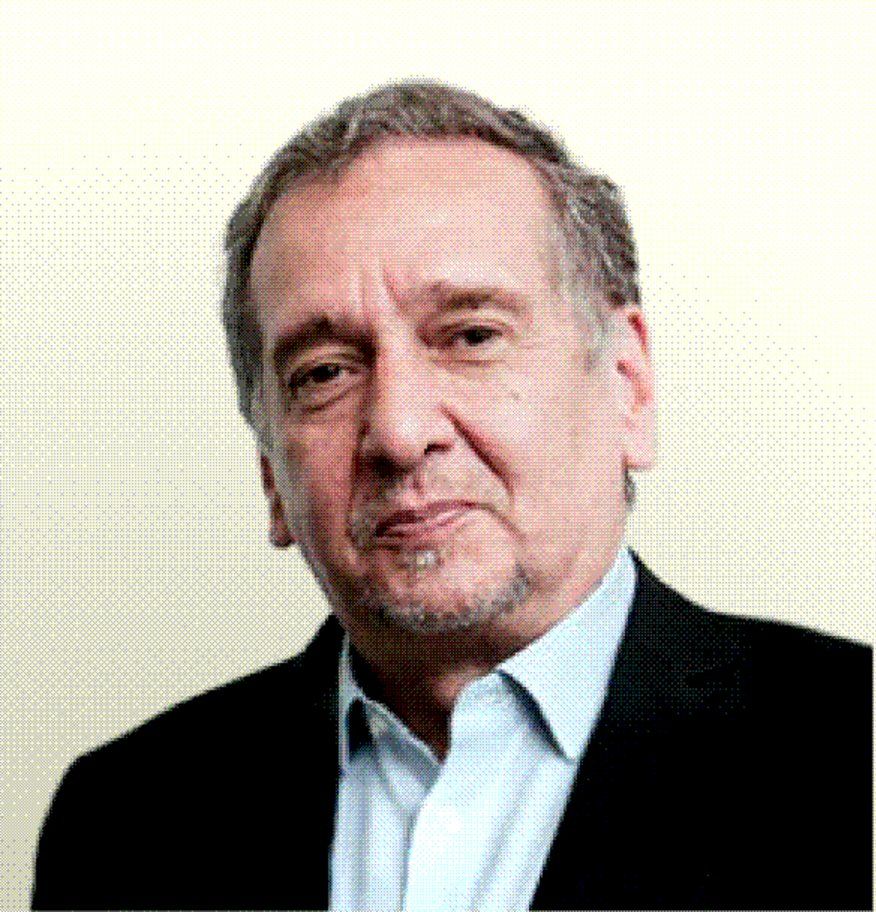
PhD in Chemistry. Former Minister of Science, Technology and Productive Innovation of Argentina.
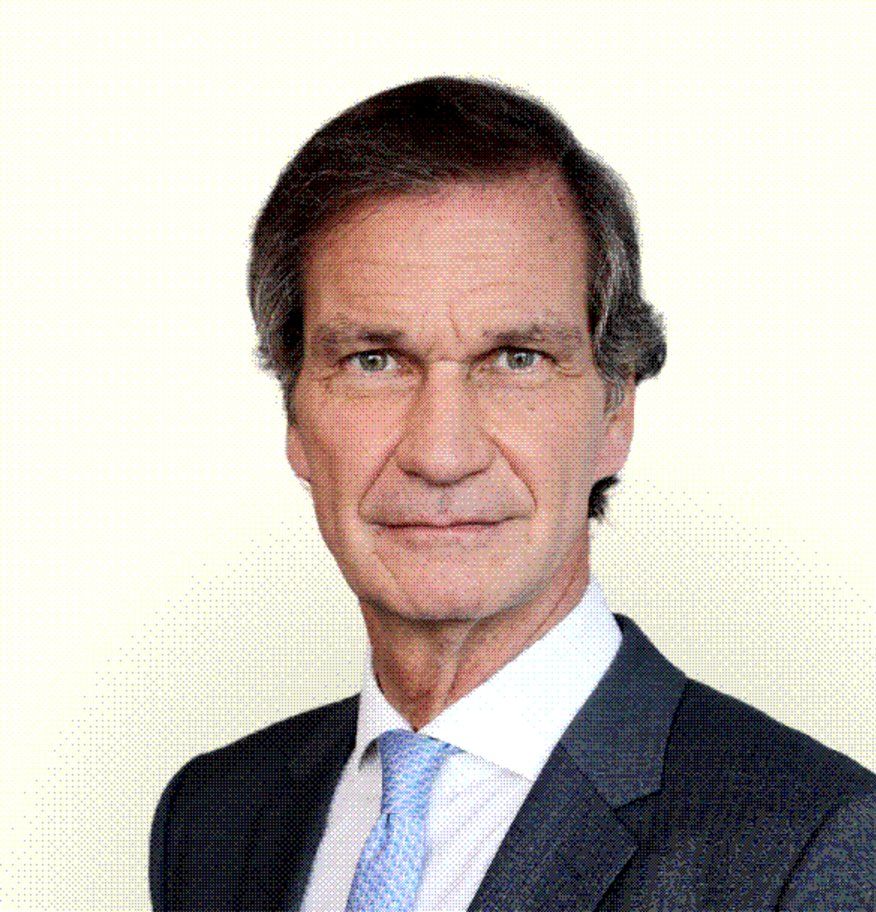
Physician and Doctor of Medicine (University of Buenos Aires). Neurologist specialized in stroke and longevity.
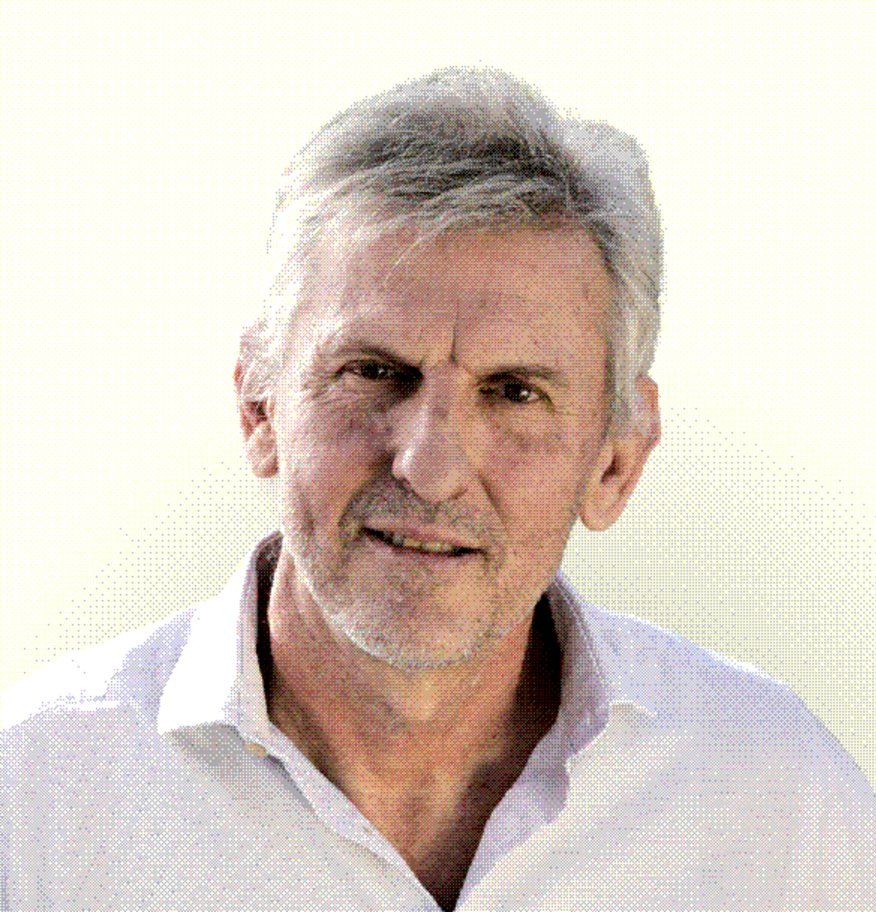
Biologist and PhD in Pharmaceutical Sciences, specialized in bioprospecting and the valorization of biodiversity.
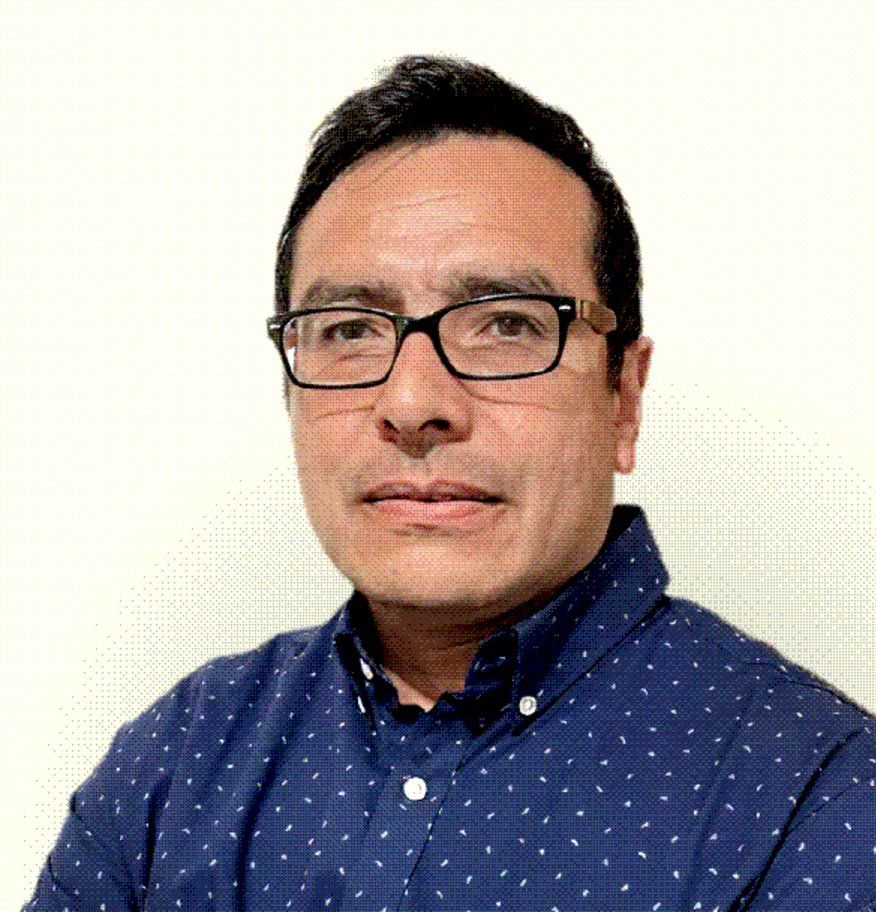
Biologist and PhD in Molecular Genetics and Microbiology. Founder and Chief Scientific Officer of Rubisco.
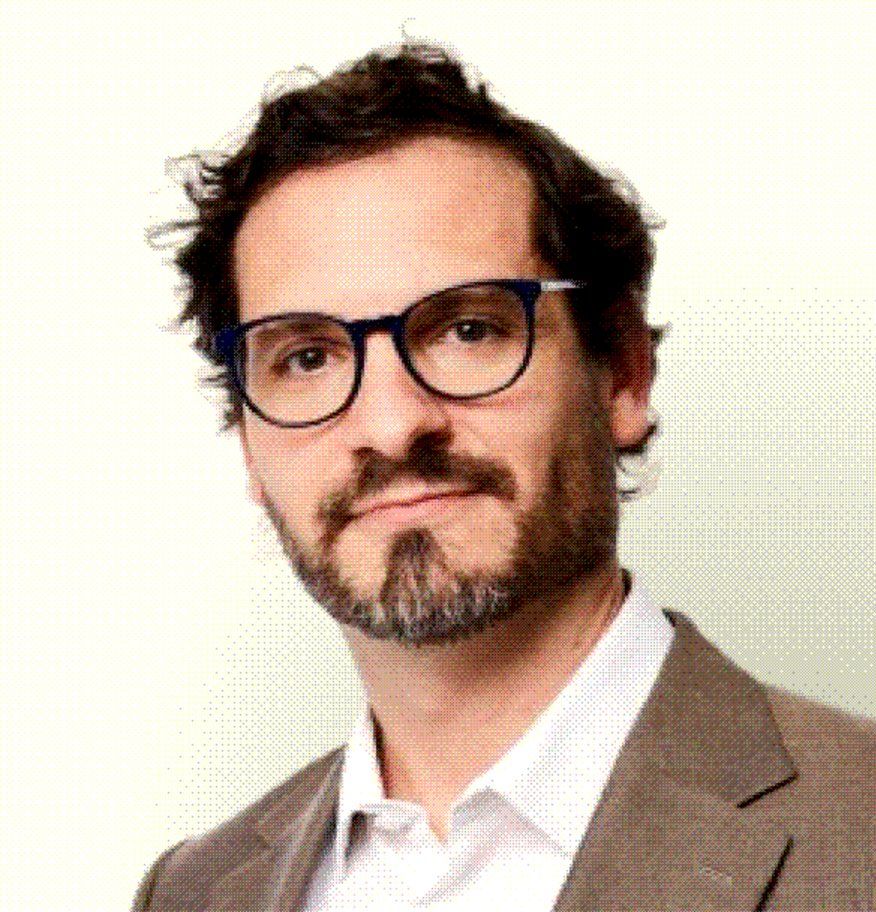
PhD in Biochemistry. Co-founder and Chief Scientific Officer of Untech, with more than 17 years in pharmaceutical biotechnology.
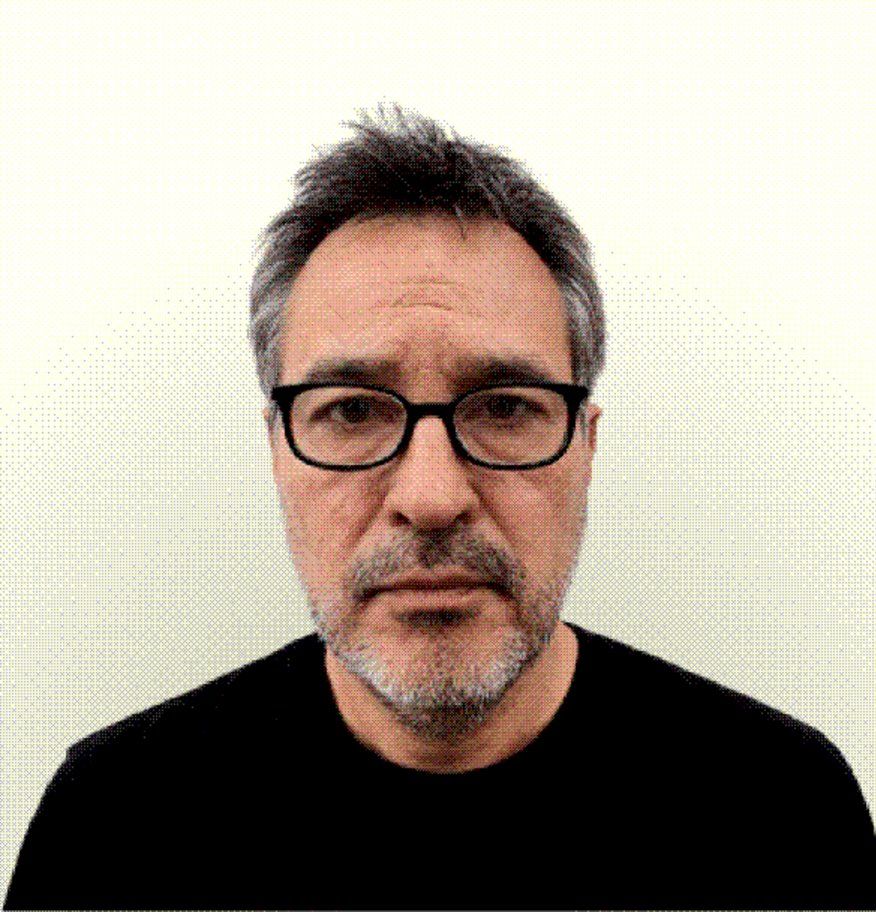
Biologist and PhD in Biological Sciences. Principal Researcher at CONICET.
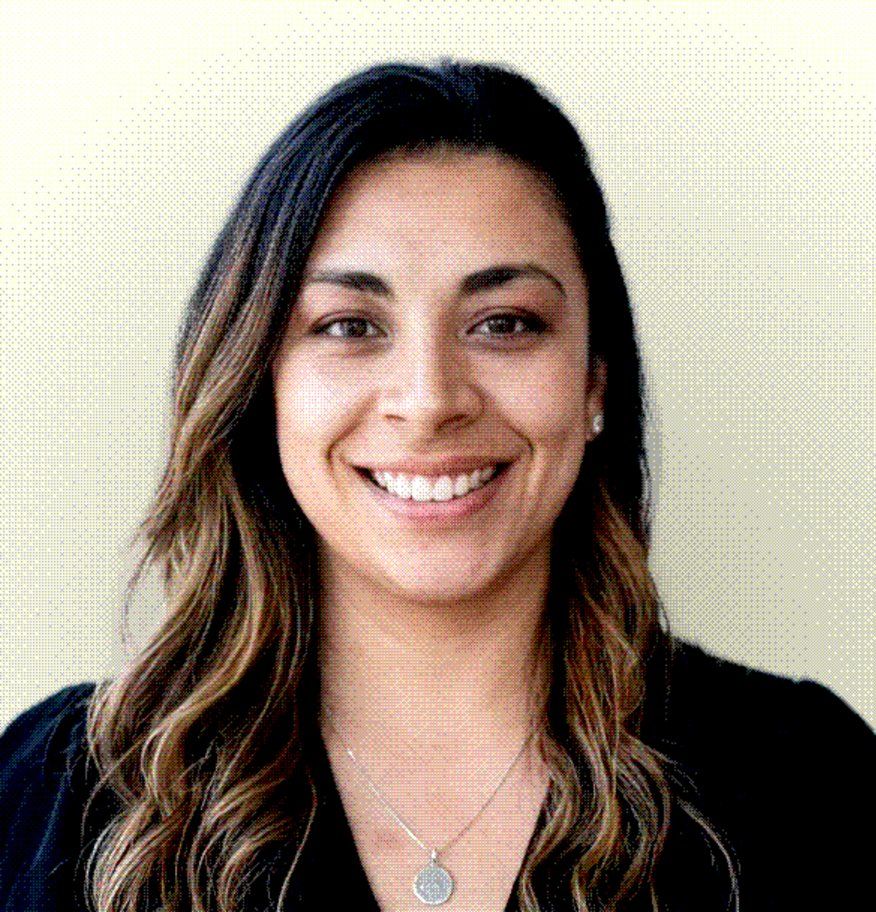
PhD in Biological Sciences and MSc in Data Science. AI researcher at Northeastern University.
PhD in Chemistry. Former Minister of Science, Technology and Productive Innovation of Argentina.
Physician and Doctor of Medicine (University of Buenos Aires). Neurologist specialized in stroke and longevity.
Biologist and PhD in Pharmaceutical Sciences, specialized in bioprospecting and the valorization of biodiversity.
Biologist and PhD in Molecular Genetics and Microbiology. Founder and Chief Scientific Officer of Rubisco.
PhD in Biochemistry. Co-founder and Chief Scientific Officer of Untech, with more than 17 years in pharmaceutical biotechnology.
Biologist and PhD in Biological Sciences. Principal Researcher at CONICET.
PhD in Biological Sciences and MSc in Data Science. AI researcher at Northeastern University.
From data to ingredient
The first filters happen in data, without touching a plant. When a candidate moves forward, Rubisco and Caliz.bio study how to produce it through cell culture or precision fermentation. This way it can reach supplements, functional foods or dermocosmetics without greater production meaning environmental impact.

Definition of territories, exclusion rules and filtering protocol.
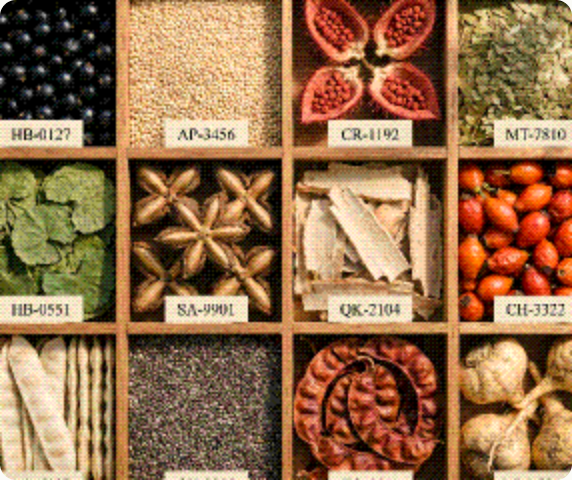
Database of traceable species and first validation trials.
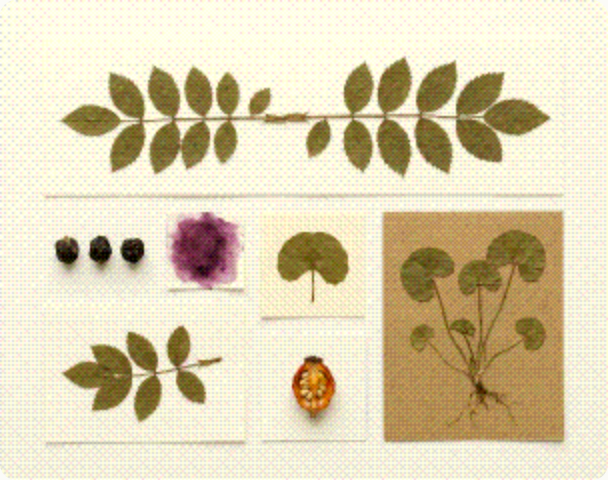
The strongest opportunities move on to validation plans and concrete proposals.
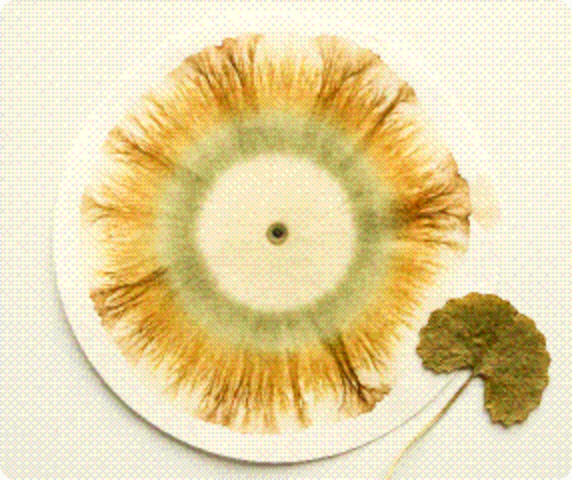
Lab results, prototypes where appropriate, and development decisions.
Definition of territories, exclusion rules and filtering protocol.
Database of traceable species and first validation trials.
The strongest opportunities move on to validation plans and concrete proposals.
Lab results, prototypes where appropriate, and development decisions.